Monday, May 19, 2025

W. C. Fields Comments On "Rewards" Cards...

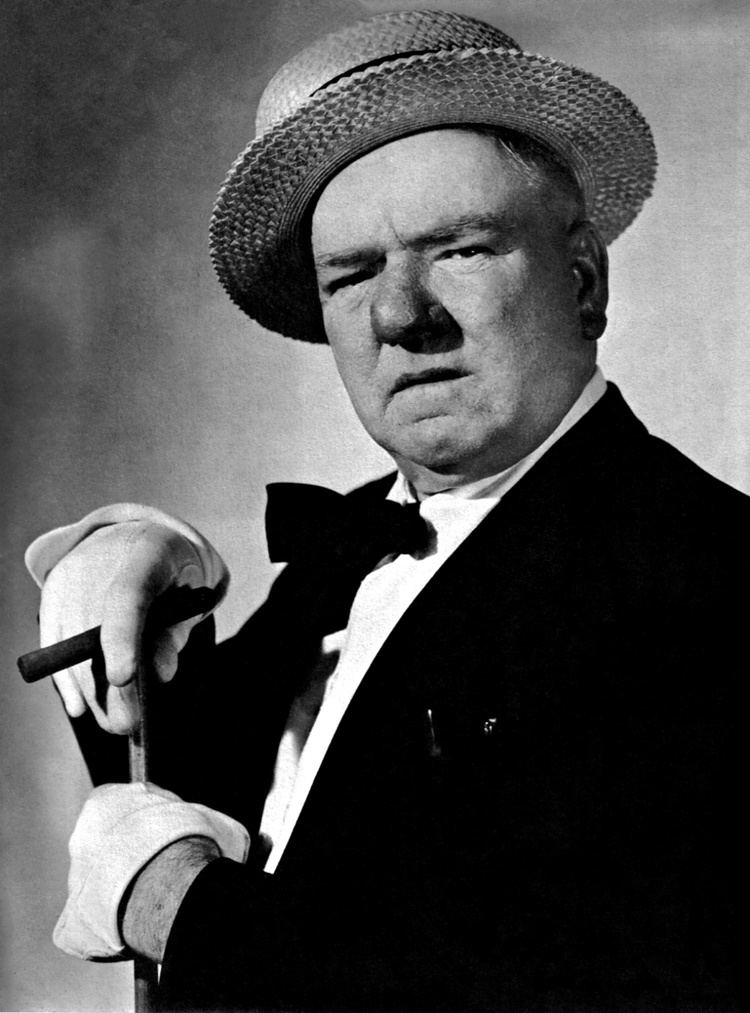
https://alchetron.com/cdn/w-c-fields-89f7deaa-635d-47e6-a280-32c757e8eb2-resize-750.jpeg"Never give a sucker an even break."

W. C. Fields was a highly quotable actor and comedian. He would have been a strong advocate of modern day consumer finance and  "rewards" credit card programs!

Know you probably have grown tired of the "rewards" card discussion and want to move on. If as a consumer, you fully understand how rewards cards work then take the week off! If you don't understand, what you don't know can hurt you. Stick with it a while longer.

Commenter from yesterday [link]: "You need to continue to try and understand that rewards card transactors are not the same as traditional revolvers." 

Very true statement and very important! First try to overlook how credit union member-owners are profiled as "transactors" or "revolvers". Just another set of "tiers", not real people. A simplified translation is "transactors" use their credit card to accumulate "rewards", but pay in full each month; "traditional revolvers" also receive "rewards", but carry a balance over from month-to-month and pay interest.

The Credit Union and other credit card issuers make money in two big ways from credit card users. The Credit Union is paid a "transaction fee" of @2% on each purchase you make with your card . The second major source of income is from the interest "revolvers" pay on balances carried over. Got It?

But lets just focus on the "revolvers" today. If you opt for the SECU Cash Back card, then you will receive according to SECU: "1.5% cash rewards on all qualifying purchases: up to 2.0% total cash rewards." Good deal for "revolvers"? Sure sounds like it!

😎 Here's the "what's really going on" question for you: If SECU is earning @2% in transaction fees and paying the "revolvers" @2% in "rewards" how is this program cost justified? 

After all, there are numerous operational costs that have to be paid: application and card issuance costs, statements/postage, fraud losses, inquiries/charge-backs, collection and default losses. At least give it some thought, even if you are a "revolver"!

😎"New/new" economics or is something else up?


Well, of course, you make it up on volume stupid!

Sunday, May 18, 2025

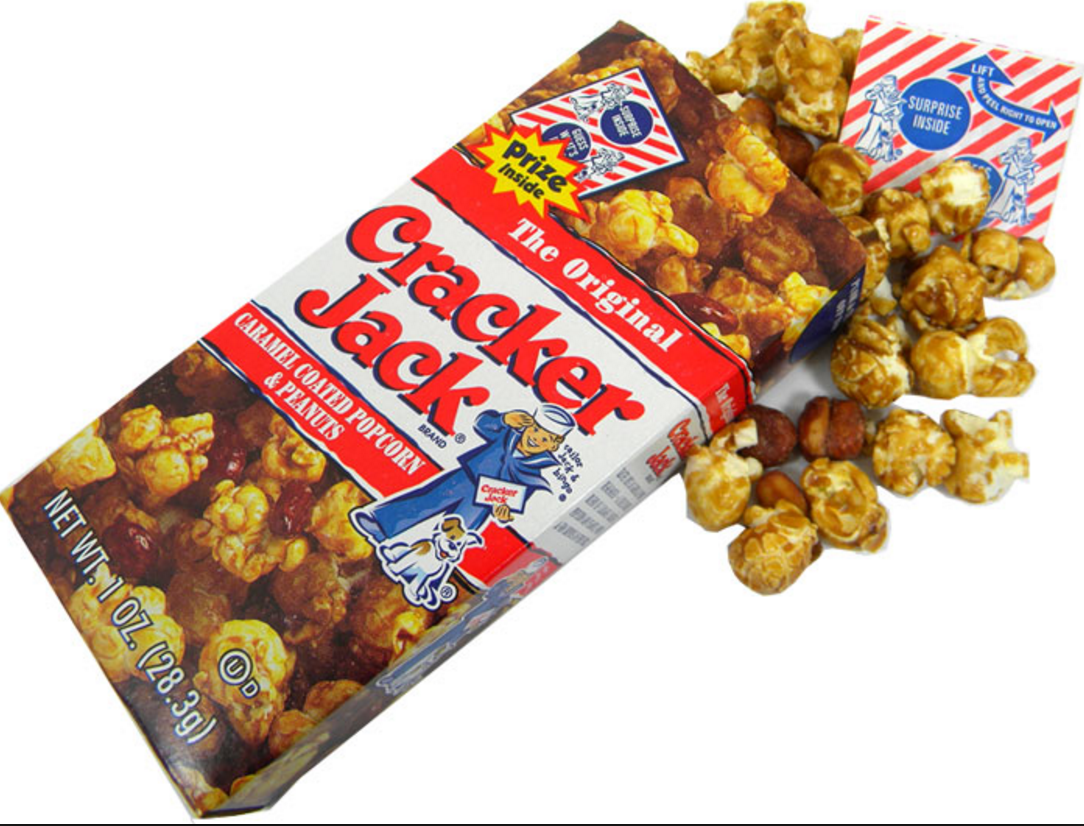
Rewards Cards: Cracker Jacks - Free Prize Inside!

 https://www.womansworld.com/wp-content/uploads/2016/04/screen-shot-2016-04-22-at-12-13-38-pm.png   

The lowest common denominator?

😎 No one has ever bought a box of Cracker Jacks as a health food, few care that much for the taste, but over decades millions of us have bought a box for that "free prize" inside! We don't like to admit it, but we're all suckers for a bargain - for a "free prize".

With credit cards these days, "rewards" (whether points, miles, or cash back) are the "free prize". We all (yep, me too!) have at least one rewards credit card, the national average is 2.3! If rewards are the "industry standard" and a rewards card is "the most requested member service", why the objection?

Three reasons: 1) SECU isn't offering a better "rewards" product, 2) the SECU rewards card will financially harm the majority of members who use it, and 3) with "rewards" SECU appears to have chosen being "an industry standard marketeer" over the best interests of the SECU membership.

Lets look at that last one first, because it sounds a little strange. Until the "new/new" arrived SECU rarely advertised - no newspaper ads, no radio spots, no TV commercials. Growth was not the goal; the CU was "promoted" by its members, through "word of mouth" recommendation.

What's wrong with commercial "marketeering"? The economist Thorstein Veblen, author of "The Theory of the Leisure Class", pointed out the problem in 1899! He foresaw that with marketing the logical "endgame" is a race to the bottom in a marketplace increasingly unrestrained by local accountability, uncertain ethical values, and flexible moral scruples.

Veblen predicted that marketing would eventually be "dumb-downed" to the following: an attention to overstatement; a low traffic in salesmanship; promising much, delivering the minimum; promising a margin of something for nothing; even going so far as to suppress the truth while implying the false.

Pretty harsh criticism... and that was in 1899! And what about in 2025 with fake news, internet fraud, phishing, pharming, smishing, spoofing and catfishing scams? Let alone robocalls, botnets... and did anyone mention AI?

In such a world who do you trust?

😎 Is SECU choosing to be "an industry standard marketeer" over the best interests of the SECU membership? 


  ... Are we there yet?