
What Is a Sunk Cost Trap? How Does It Work?
The sunk cost trap refers to a tendency for people to irrationally follow through on an activity that is not meeting their expectations. This is because of the time or money they have already invested. The sunk cost trap explains why people finish movies they are not enjoying, finish meals that taste bad, keep clothes in their closet that they’ve never worn and hold on to investments that are under-performing.
Investors [SECU in this case] fall into the sunk cost trap when they base their decisions on past behaviors and a desire to not lose the money they have already invested, instead of cutting their losses and making the decision that would give them the best outcome going forward. Many investors [SECU] are reluctant to admit, even to themselves [SECU Board and management], that they have made a bad investment. Changing strategies is viewed as admitting failure.
As we discussed in the first "Risk-based "Savings": Now What?" post [link here to 11/9], SECU is caught in a sunk cost trap with its @ $10 billion treasury securities investment portfolio, which has incurred an @ $1 billion unrealized value loss. Now, don't get angry and start ranting and raving - yet! All other financial institutions have equally "been caught" by the rapid increase in market interest rates.
The SECU Board and CEO are compounding this market rate dilemma by not selling the investment portfolio now and reinvesting the money at current rates. Why? 1) To benefit SECU member savers (currently earning 1.1% on @ $18 billion in MMSA deposits) and 2) to cover the safety and soundness risk that more members will begin withdrawing those low-earning MMSA deposits (so far @ $4 billion has already exited).
😎 Here's how you do that, using those approximate #'s - the estimates are pretty close. [As a side note, "incurred" means, from a finance perspective the $1 billion loss has already occurred; "unrealized" means, from an accounting perspective the loss hasn't been "booked" - yet!
✅ Pieces of the Puzzle: 1) @ $10 bill. investment portfolio earning @ 1%, 2) incurred investment portfolio loss @ $1 bill., 3) SECU member MMSA balances @ $ 18 bill. earning @ 1.1%, 4) SECU 2023 "record profits" @ $587 mill. 5) current short term treasury security rates @ 5% [here's where you find them-link]. Okay, ready to go?
1) Q: How much is SECU earning annually on its $10 bill. portfolio? A: @ $100 mill ($10 bill x 1% = $100 mill.).
2) Q: If SECU sold the $10 bill. portfolio and booked the $1 bill loss, how much would be left to reinvest? A: $ 9 bill. ($10 bill. - $ 1bill. loss = $9 bill. left to reinvest).
3) Q: If SECU simply reinvested in an identical portfolio, how much would the $ 9 bill. earn annually for SECU? A: $450 mill. ($ 9 bill. x 5% [current market rate] = $ 450 mill.).
4) Q: How much would SECU's "net profits" increase annually by executing this transaction? A: up $350 mill. ($450 mill. [earnings at new 5% rate ] - $100 mill. [less portfolio earnings at current 1% rate] = a gain of $350 mill. in "net profits").
5) Q: What would it cost annually to raise the rate paid on SECU members' MMSA deposits by 1%? A: $180 mill. ($18 bill. in balances x each 1% rate increase = $180 mill.).
6) Q: If the SECU Board used that $350 mill. gain in portfolio earnings (#4) to increase the MMSA rate, what would the MMSA rate rise to? A: @ a 3% MMSA rate ( $350 mill = @ ⬆2% + current 1.1% rate = @3%).
7) Q: What would SECU's "net profits" be next year if the SECU Board also used an additional $360 million more to increase the MMSA rate further? A: still over $200+ mill. "net profits" ($587 mill. "record profits in 2023" - $360 mill. to increase MMSA rate more = still $227 mill. "net profits").
8) Q: What would the MMSA rate be if the SECU Board did that (#7) also? A: @ a 5% MMSA rate (1.1% current rate + 2% from portfolio gain + 2 % increase from return of $360 mill. of "record profits" to member-owners = @ 5%).
9) Q: How long would it take to handle all these transactions by SECU? A: about 1 hour.
10) Q: Would SECU remain well capitalized, safe and sound after this transaction? A: Yes. Actually much safer and sounder since SECU has eliminated the likelihood of further major outflows of member deposits.
11) Q: Why wouldn't the SECU Board do this? A: The SECU Board next meets in November, before Thanksgiving.
 Would be a wonderful Thanksgiving surprise for SECU members! A win-win ... now that sounds more like a credit union again!
And perhaps, would help restore some credibility!


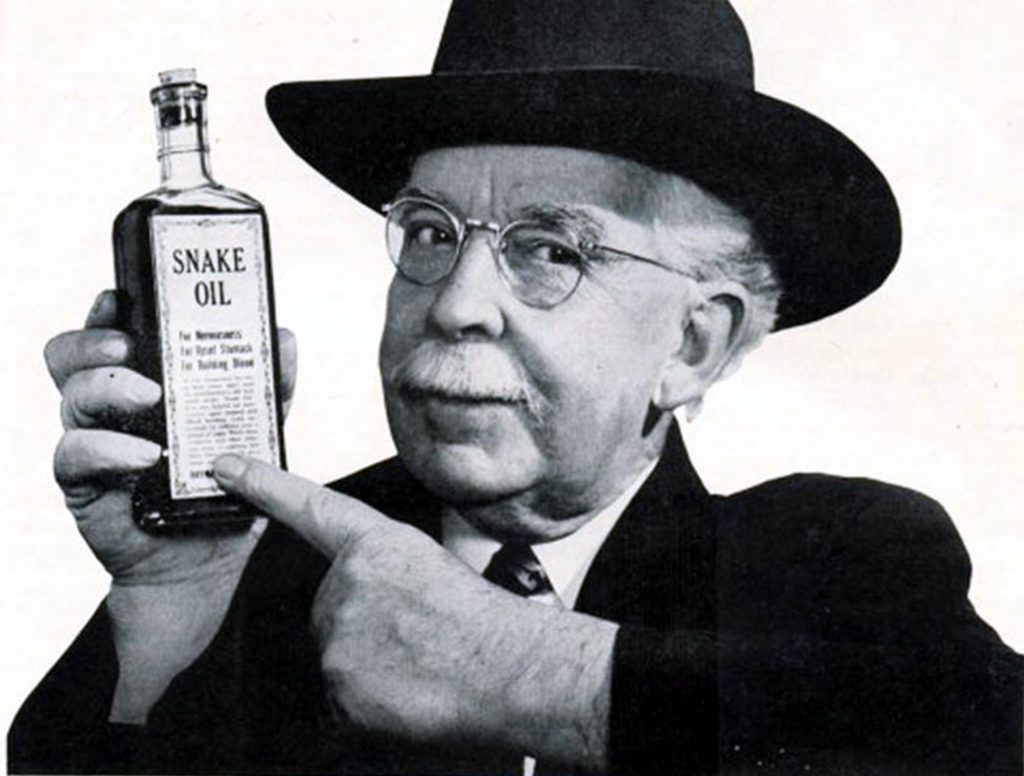 Evidently, some SECU executive and lending folks shot that "bull" to the SECU Board, who bought it hook, line and stinker. Rumor has it, they even